PSMP

Robot pickers

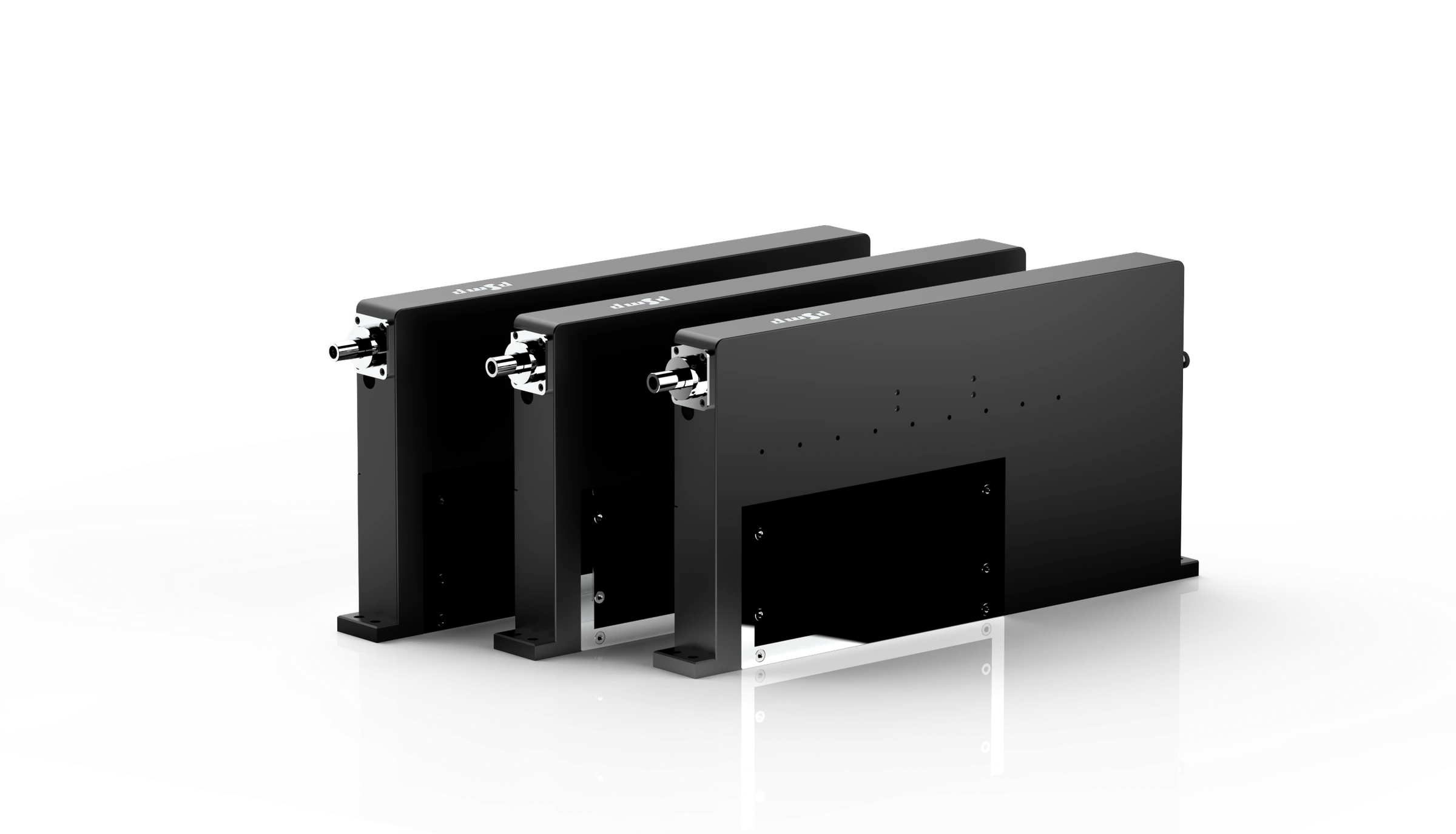
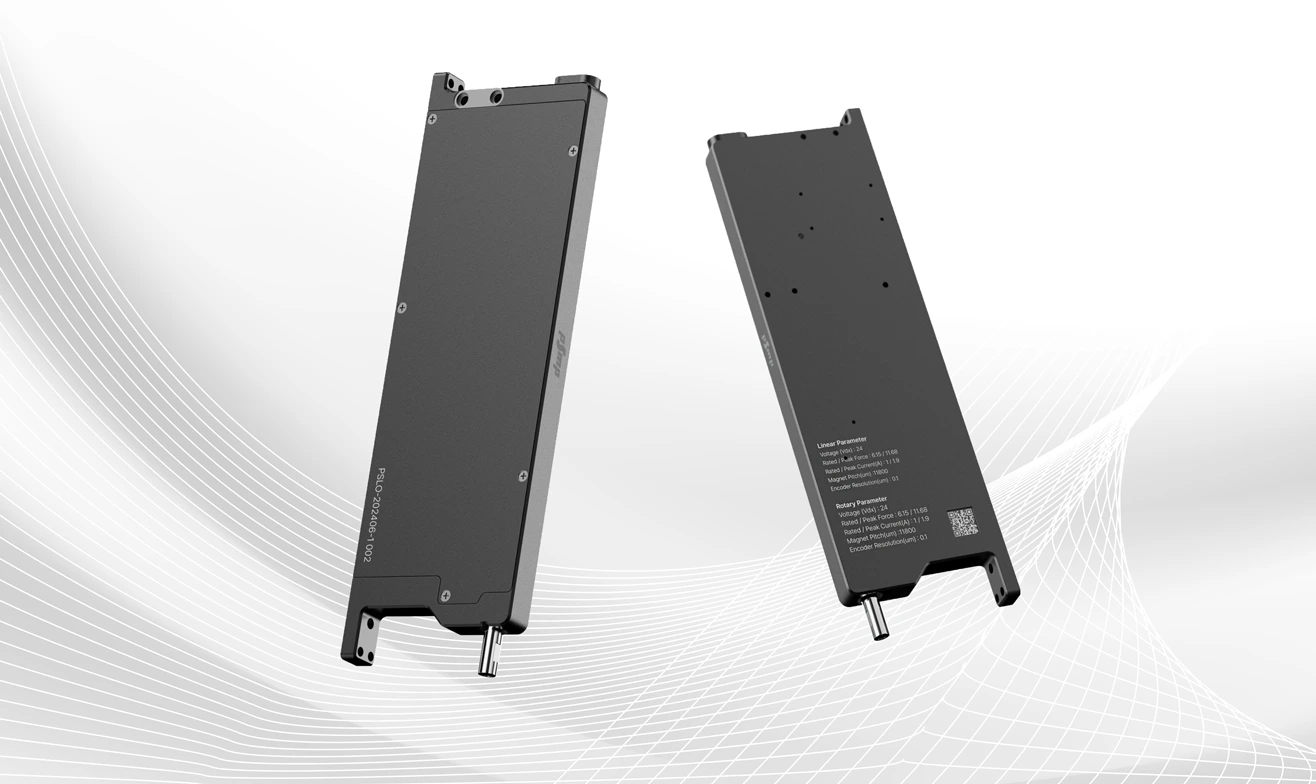
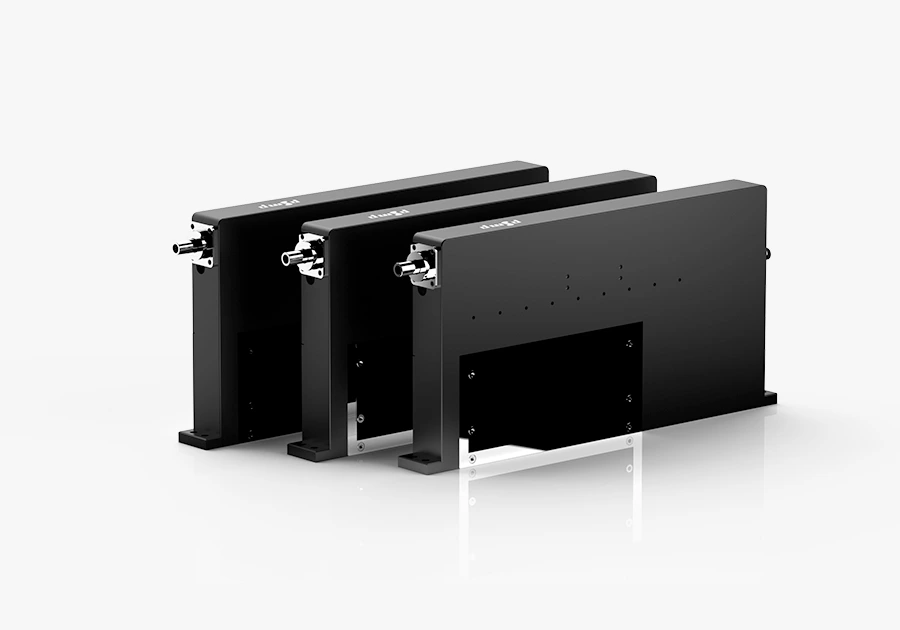
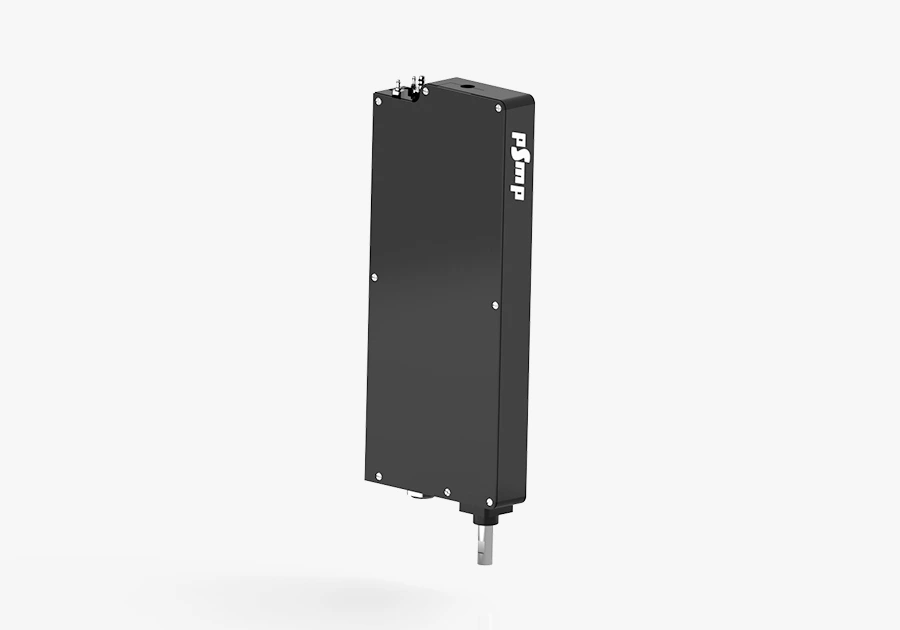
The Linear Motion Picker features a high-precision linear motor for full control of speed, position, and torque. Powered by in-house motor, encoder, and circuit design, it delivers world best performance.

Robot picker products

Highlights

Specialized products for semiconductor processes
With over 20 years of experience, PSMP possesses the core technologies and expertise essential for pickers used in semiconductor processes.
Stable recoil force picker return spring™
Equipped with a drop-prevention picker return spring that provides consistent resistance according to the travel distance.
ZERO MAGNETIC FLUX
Through advanced electromagnetic design technology, no magnetic flux leaks outside the picker.
Picker-specialized electromagnetic design technology
To meet the optimized requirements for pickers, PSMP directly designs, analyzes, simulates, and manufactures motors.
Ultra-precision control
Ultra-precision position control is achieved through high-performance encoder technology (0.1 µm linear encoder resolution / 0.0027° rotary encoder resolution).
Soft landing
Low-speed and low-torque control at specific positions enable the picker to handle objects with highly precise and gentle force.
Direct Drive System
Operated by a direct drive mechanism without intermediate components such as belts or gears, it eliminates backlash and mechanical failure points.
Ultra-lightweight slim design
Designed to be much lighter and slimmer compared to products with similar specifications.
Cycle time reduction
Ultra-high-speed operation is made possible by PSMP’s expertise in electromagnetic and mechanical design technologies.
Long lifespan
Boasting excellent durability, it delivers reliable performance over an extended period.

Product video

Watch on Vimeo ↗

Technology

Advanced electromagnetic (motor) design

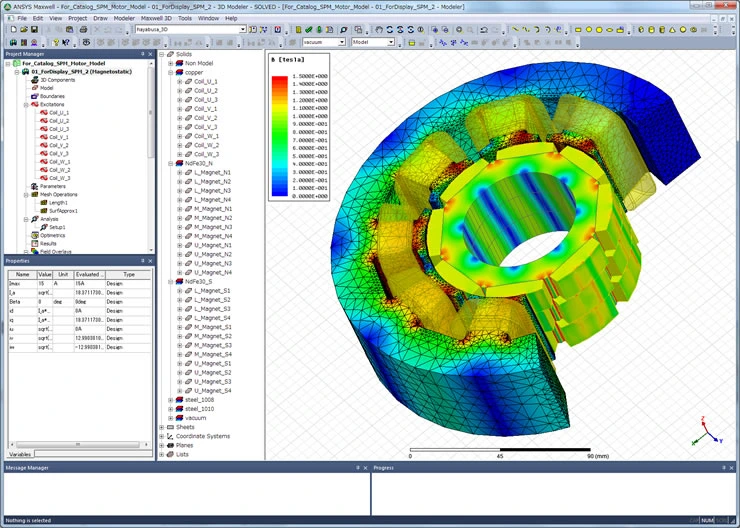
We use advanced tools like Maxwell and JMAG for precise magnetic design, structural and thermal analysis.

This all-in-one approach enables us to design and build high-performance, reliable picker motors in-house.

Motor design capabilities

  • IPM
  • SPM (Linear or Rotary)
  • AFM Motor
  • VCM (Linear or Cylinder)
  • Linear Shaft motor
More on motor design in R&D
ANSYS Maxwell electromagnetic analysis of a motor

Optical encoder

PSMP encoders use global-standard optical ASICs and offer custom solutions from cost-efficient to ultra-precision models.

Linear Encoder specification (PSLE Series)
Sensor TypeReflective Optical Linear Encoder
Resolution0.1µm
Repeatability1µm or Finer
TypeAbsolute/Incremental(optional)
I/OBiSS-C / ABZ Differential
Power5V
ScaleMaterial: Glass / SUS / AL (optional)
Rotary Encoder specification (PSRE Series)
Sensor TypeReflective Optical Linear Encoder
Resolution17bit Single-turn Absolute
Repeatability0.01° or Finer
TypeAbsolute / Incremental (optional)
I/OBiSS-C (optional) / ABZ Differential
Power5V
Code WheelMaterial: AL / Glass (optional)

ZERO MAGNETIC FLUX LEAKAGE

Using our patented electromagnetic design, PSMP effectively blocks magnetic flux leakage outside the linear motor.

This eliminates attraction or repulsion between pickers and maintains optimal thrust without changing motor specs.

Flux density versus distance from 0.1 to 1.0 mm: magnetic flux leakage before applying the patented technology, and near-zero leakage after applying PSMP's patented technology.

Ultra-high-speed operation

PSMP linear pickers combine high precision with ultra-fast operation, maximizing efficiency by reducing cycle times and increasing uptime.

High-speed picker operation depends heavily on motor specs, mass, and load ratio.

Coreless

Coreless motors, built without iron cores, are lighter and have lower inertia, enabling high-speed motion. They operate without cogging or vibration and, compared to core motors, generate less energy loss and heat—ensuring stable performance even at high speeds.

Inductance

Leveraging years of mechanical design expertise, our pickers feature ultra-light movers and minimal load, resulting in low inductance and inertia. This allows maximum motor response speed.

MONO 7.8T high-speed operation graph: in-position range 10 μm, in-position time 5 msec, approximately 30 Hz (30 cycles per second)

Full Direct Drive Mechanism

PSMP’s direct drive system connects the motor directly to the main shaft, removing the need for couplings or gears. This simplifies the setup, boosts efficiency, and enables highly precise, friction-free motion control.

Drive mechanism comparison
CategoryFull Direct DriveDirect Coupled DriveIndirect Drive (Gear)Indirect Drive (Belt)
StructureMotor directly connected to shaftConnected via couplingConnected via gearsConnected via belt and pulley
Efficiency / PrecisionVery high, minimal energy lossHigh, slight energy lossModerate, loss and reduced precision from frictionLow, loss due to belt elasticity
MaintenanceMinimalCoupling maintenance requiredFrequent due to gear wearRequired due to belt wear

Full Direct Drive

Structure
Motor directly connected to shaft
Efficiency / Precision
Very high, minimal energy loss
Maintenance
Minimal

Direct Coupled Drive

Structure
Connected via coupling
Efficiency / Precision
High, slight energy loss
Maintenance
Coupling maintenance required

Indirect Drive (Gear)

Structure
Connected via gears
Efficiency / Precision
Moderate, loss and reduced precision from friction
Maintenance
Frequent due to gear wear

Indirect Drive (Belt)

Structure
Connected via belt and pulley
Efficiency / Precision
Low, loss due to belt elasticity
Maintenance
Required due to belt wear

Soft Landing

Soft landing is a function that allows users to control shaft velocity and force via software before contacting an object. By applying the desired force value without impact acceleration (F = m × a), it prevents damage to the target and enables use in delicate or precision processes.

Soft landing graphs and sequence: descent start, soft landing ON before the target point, target reached with command velocity and force

Customization

PSMP offers customized options tailored to customer needs.

We support special processes and develop dedicated products to enhance customer competitiveness.

  1. Client

    Receiving customer requests

  2. Customization
    • New mechanical design & modification of existing designs
    • Application of additional functions based on equipment processes
    • Development of new motors tailored to customer requirements
    • Development of customized communication protocols
  3. Production

    Production of custom products

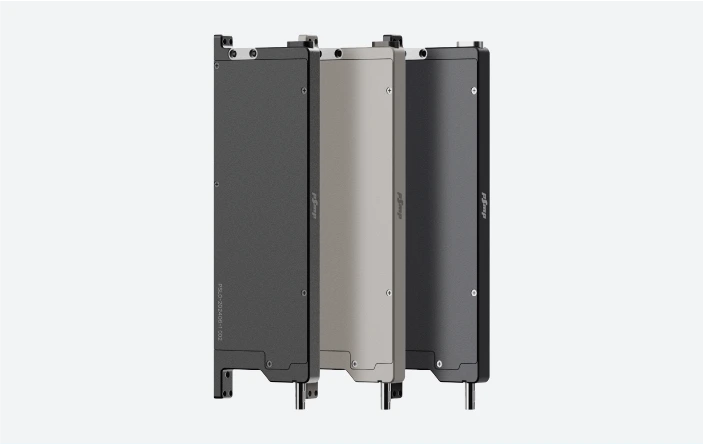
    MONO picker customization examples in different finishes

Source: PSMP website · 11 Sep 2026

Series

Need drawings or technical assistance?

Download resources